
An initiative of Discover South Kensington
An initiative of Discover South Kensington
 Historic Royal Palaces
To address this, Historic Royal Palaces explored solutions to reduce draughts while respecting the non-standard shapes and architectural significance of the palace’s windows. A specialist supplier and contractor were appointed to design and install bespoke secondary glazing tailored to each opening. The glazing was carefully specified to ensure it remained visually unobtrusive, did not damage the historic fabric of the building, and continued to allow access for maintenance and use.
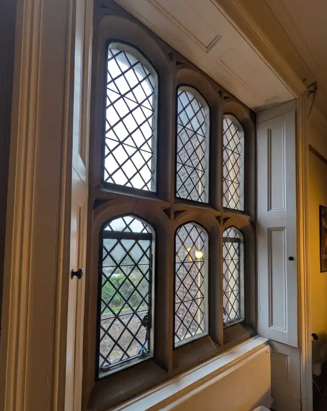
The project demonstrates how sensitive, well-considered interventions can support sustainability goals even within highly protected heritage environments. While it is too early to assess long-term outcomes, the secondary glazing is expected to reduce heat loss, lower energy use, and support the more efficient operation of any future low-carbon heating systems, such as heat pumps.
This project also contributes to a growing culture of shared learning across South Kensington. By exchanging knowledge, data and practical experience between neighbouring institutions, organisations are able to test approaches, learn from each other’s successes and constraints, and apply proven solutions in their own contexts. This collaborative approach helps accelerate progress on carbon reduction and sustainability, particularly in complex settings such as historic buildings.
